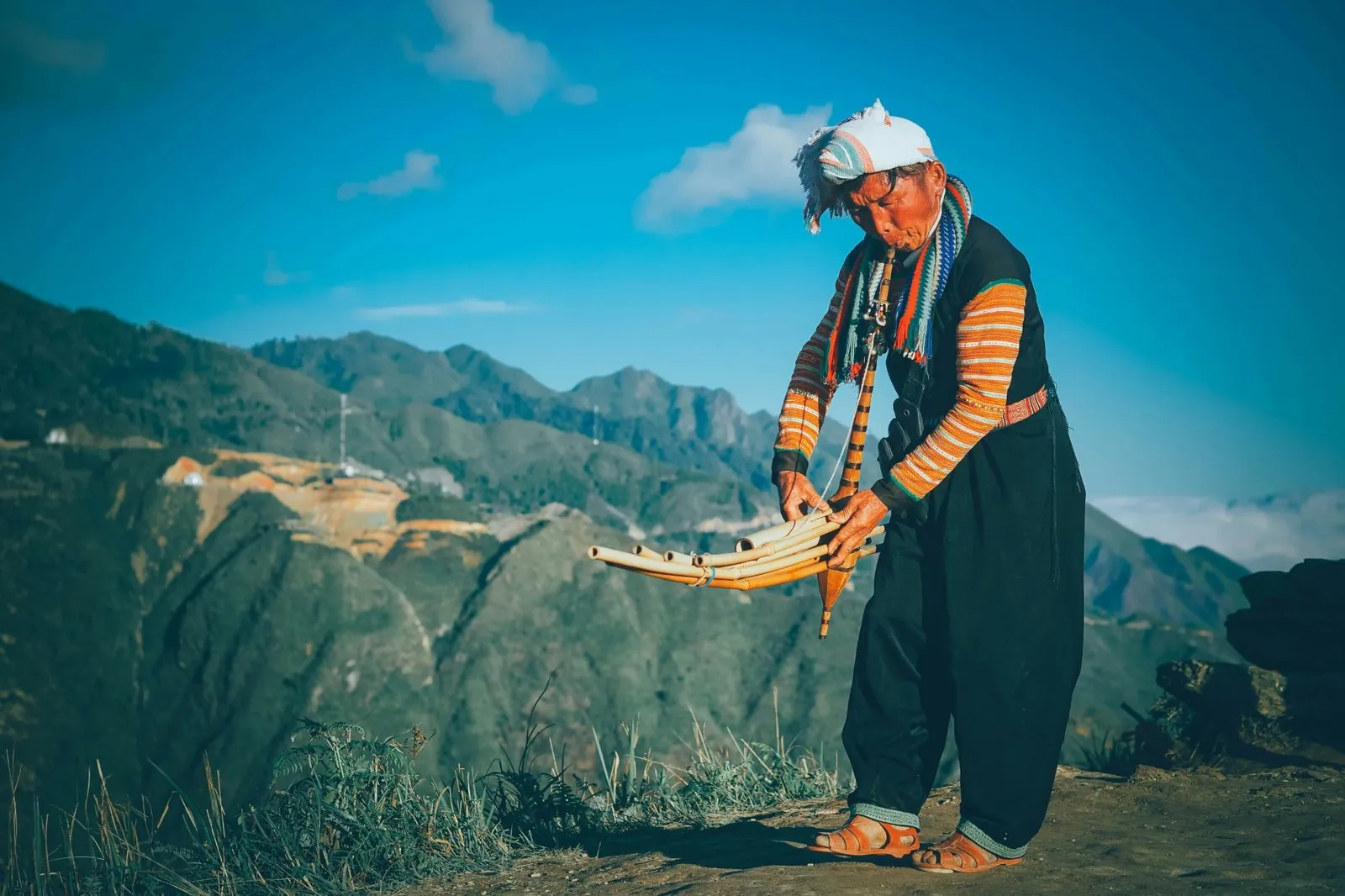
Hmong Dream Beliefs, Soul Calling, Ancestral Warnings, and the Dream World
The Hmong people, scattered across the highlands of Laos, Vietnam, Thailand, China, and now the global diaspora, carry one of the world's most complex living dream traditions. In Hmong cosmology, dreams are not symbols to be decoded but direct experiences of the soul (plig) as it wanders outside the body. A bad dream isn't a metaphor for anxiety, it's evidence that your soul encountered real danger in the spirit world.
In Hmong tradition dreams are what the soul (plig) experiences as it leaves the body during sleep and wanders in the spirit world. A bad dream is read not as a metaphor for anxiety but as a sign the soul met real danger, and a lost soul (poob plig) is treated as a cause of illness that a soul-calling ceremony aims to heal.
At a glance
- The plig, a person's multiple souls, leave the body in sleep; a soul that is lost or captured by a dab is treated as a source of illness, and the hu plig soul-calling ceremony led by a txiv neeb aims to bring it back.
- Dreams of dead relatives are read as real visitations, and after a death families watch their dreams for signs the deceased has reached the ancestral world.
- The tradition held through the diaspora: Hmong-American families still consult a txiv neeb for persistent nightmares and unexplained illness.
How to read this
This is a respectful account of a living culture, not a claim about how dreams actually work. The Hmong are a living people with communities across Laos, Vietnam, Thailand, China, and a global diaspora, and the practices described here are still carried today. Where Western medicine has not fully explained things the page is honest about it: Hmong sudden unexpected nocturnal death syndrome (SUNDS) remains partially unexplained, and we say so rather than resolving it.
The Plig: Souls That Wander in Sleep
Hmong dream philosophy centers on the concept of plig, the multiple souls that inhabit each person. During sleep, one or more of these souls leave the body to wander. What they experience constitutes the dream. If a soul encounters ancestors, the dreamer sees the dead. If a soul gets lost or is captured by a malevolent spirit (dab), the dreamer experiences nightmares, and may wake up genuinely ill.
This isn't superstition, it is a sophisticated illness model. Soul loss (poob plig) is considered a primary cause of disease, depression, and disorientation. The treatment is the hu plig, soul calling ceremony, in which a shaman (txiv neeb) journeys into the spirit world to locate the lost soul, negotiate its return, and escort it safely back to the body. Modern Hmong communities, even in Western diaspora settings, continue this practice alongside conventional medicine.
When the Dead Visit: Ancestor Dreams
Dreams of deceased relatives are among the most significant in Hmong culture, and they are not treated as projections or memories but as actual visitations. When a dead relative appears in a dream, they usually have a specific purpose: requesting offerings, warning of danger, expressing displeasure about family decisions, or calling the dreamer to join them (an ominous sign requiring immediate spiritual intervention).
The funeral dream is particularly important: in the days following a death, family members carefully monitor their dreams for signs that the deceased has successfully completed the journey to the ancestral world. If the dead person appears confused, lost, or in distress in dreams, additional funeral rites may be performed. The dream serves as feedback from the afterlife, a quality-control mechanism for the transition between worlds.
The Shaman's Dream: Journey and Healing
The txiv neeb (shaman) is the supreme dream specialist in Hmong culture. Like Siberian shamans, the txiv neeb is chosen by spirits through a period of illness and intense dreaming, the neeb spirits select their host, and resisting the call worsens the condition. Acceptance and training restore health.
During healing ceremonies, the txiv neeb enters a trance state, aided by rhythmic chanting, finger bells, and a sacred cloth covering the eyes, and journeys through the spirit world to locate a patient's lost soul. The shaman's journey is narrated in real-time, describing spirit encounters, negotiations with dab who may be holding the soul, and the eventual return. This is public lucid dreaming performed as medical procedure, and Hmong communities consistently report therapeutic results that Western medicine is beginning to take seriously.
Hmong Dreaming in the Modern World
The Hmong diaspora, particularly in the United States, France, and Australia, faces a unique challenge: maintaining dream traditions in cultures that dismiss them. Yet Hmong dream beliefs have proven strikingly resilient. Studies of Hmong-American communities show that dream interpretation remains a primary diagnostic tool, with families consulting txiv neeb for persistent nightmares, unexplained illness, and emotional distress.
The phenomenon of Hmong sudden unexpected nocturnal death syndrome (SUNDS), in which apparently healthy young Hmong men died in their sleep, particularly in the 1980s, remains partially unexplained by Western medicine. Hmong communities attribute these deaths to dab tsog (nightmare spirits) that attack during sleep. Whether the mechanism is spiritual or physiological (stress cardiomyopathy, panic disorder during REM), the Hmong tradition of taking dreams and nightmares seriously as potential health crises has never looked more prescient.
Facts That Will Surprise You
Did you know Hmong people have multiple souls that wander during sleep? The plig (soul) literally leaves the body at night. If it gets lost or captured by spirits, the dreamer becomes ill, requiring a soul-calling ceremony to restore health.
Did you know Hmong funeral rites are guided by dreams? After a death, family members monitor their dreams for signs that the deceased has successfully reached the ancestral world. Troubled dreams can trigger additional ceremonies.
Did you know Hmong dream traditions survived diaspora? Despite displacement across four continents, Hmong communities continue to consult txiv neeb (shamans) for dream-related illness, maintaining one of the world's most intact living dream traditions.
Hmong Dream Beliefs: Questions People Ask
What is soul calling in Hmong tradition?
Soul calling, or hu plig, is a ceremony to bring back a soul (plig) believed to have left the body and become lost or captured during sleep. A shaman known as a txiv neeb journeys into the spirit world to locate the lost soul, negotiate its return, and escort it safely back, since soul loss (poob plig) is treated as a cause of illness.
Why do the Hmong take nightmares seriously?
Nightmares are understood as evidence that a soul met real danger in the spirit world rather than as a metaphor for anxiety. A soul lost or captured by a malevolent spirit (dab) is believed to leave the dreamer ill, so persistent nightmares are treated as a possible health crisis and may prompt a soul-calling ceremony.
Who is the txiv neeb in Hmong dream healing?
A txiv neeb is the Hmong shaman and dream specialist, chosen by neeb spirits through a period of illness and intense dreaming. During ceremonies the txiv neeb enters a trance aided by chanting, finger bells, and a cloth over the eyes, then journeys through the spirit world to find a patient's lost soul and bring it home.
Go Deeper
Dreams evolved to simulate ancestral threats. Why nightmares feel so real.
View in Sources ↗The fullest study of dab tsog and the Hmong sudden deaths: how belief, war trauma and lost ritual protection could turn a night-mare into real danger, the nocebo hypothesis.
View in Sources ↗UC Berkeley's definitive work on REM sleep, emotional processing, and why we dream.
View in Sources ↗One dream is a night.
Kept together, they begin to show a thread. The Dream Journal letter arrives on the 1st and the 15th: one symbol read closely, one honest idea from the science of sleep.
Free · Twice a month max · One-click unsubscribe
And if you want to keep the dreams themselves: the Companion plan keeps what you cannot see alone.
Did a dream frighten you badly?
Hmong tradition takes such dreams seriously, and this page has tried to describe that with respect. If frightening dreams keep coming back, or press on you by day, talk to someone. A single dream can be read here with care.
Read Your DreamNo account needed · Room for the whole dream · Private by design