Amazonian Dream Traditions, Ayahuasca, Plant Teachers, and the Green Dream
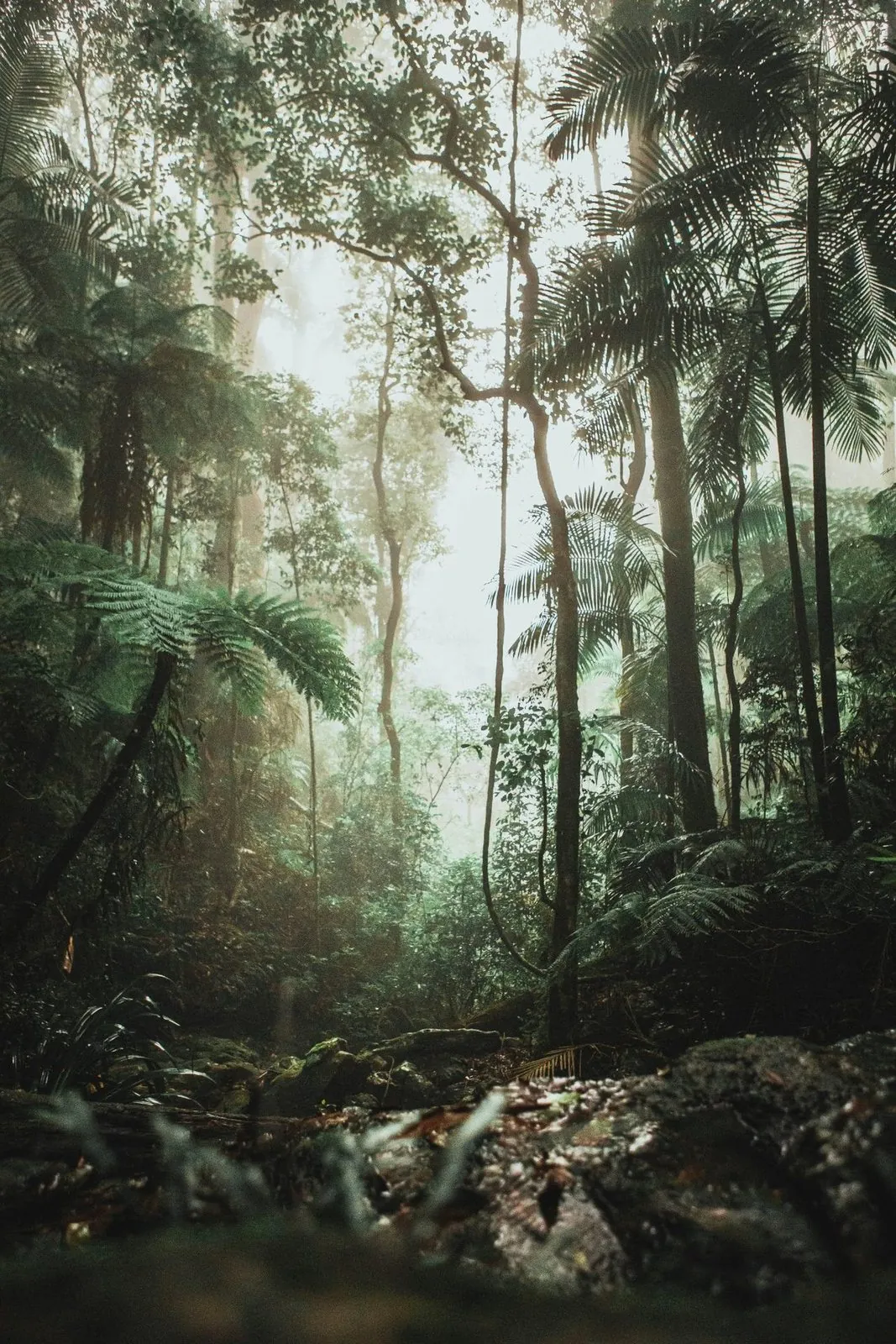
In the world's largest rainforest, hundreds of indigenous peoples have developed dream traditions of striking sophistication, traditions that treat the forest itself as a dreaming entity. Amazonian peoples don't just interpret dreams; they cultivate them, shape them with plant medicines, and use them as the primary interface between human communities and the vast intelligence of the living jungle.
Amazonian peoples treat dreams and waking visions as the main way humans meet the living forest. Across peoples like the Achuar, Shuar, and Aguaruna, families gather before dawn to share and interpret the night's dreams, while shamans use plants such as ayahuasca to enter deeper vision states for healing.
At a glance
- Many Amazonian peoples begin the day with communal dream sharing, reading dreams for practical guidance about hunting, gardens, travel, and conflict.
- Plant teachers such as ayahuasca, toé, and tobacco are used to open the dream world wider, and the ayahuasquero trains through long dietas to dream with plant spirits and learn their songs (ícaros).
- In Achuar thought the forest itself dreams: every plant, animal, and river has a dream life, so human dreams are seen as intersections with other beings.
How to read this
This is a respectful account of living Indigenous cultures, not a claim about how dreams actually work. The Achuar, Shuar, and other peoples described here keep these practices today. The page also discusses ayahuasca as traditional ceremonial practice, which is a description and not health advice or an endorsement to use a psychoactive brew.
Ayahuasca and the Dream Plants
The Amazon basin is home to the world's most developed tradition of plant-assisted dreaming. Ayahuasca, the "vine of the soul", is the most famous, but it is one of hundreds of plants used by indigenous peoples to access dream states. Each plant is considered a teacher with specific knowledge to impart: ayahuasca reveals the spirit world, toé (brugmansia) enables communication with the dead, chiric sanango teaches about cold and heat, and tobacco (mapacho) clarifies and protects.
The biochemistry is striking: ayahuasca combines an MAO inhibitor (the vine) with DMT (from chacruna leaves), a compound the brain produces naturally during REM sleep. Indigenous peoples describe this as not creating visions but opening the door wider to the same dream world everyone visits at night. Science is beginning to agree: ayahuasca-induced brain states closely resemble expanded dream states.
Morning Dreams: The Communal Practice
Across many Amazonian peoples, Achuar, Shuar, Aguaruna, and others, the day begins with communal dream sharing. Before dawn, families gather (traditionally around guayusa or wayúsa tea) to share and interpret the previous night's dreams. This is not casual conversation, it is the most important decision-making session of the day.
Dreams are analyzed for practical intelligence: where to hunt, which garden plot to tend, whether to travel or stay home, how to handle an interpersonal conflict. The Achuar say that waking life is guided by dreams the way a river is guided by its banks, the dreams come first, and the day flows within them. This daily practice means Amazonian peoples have a dream literacy unmatched anywhere in the modern world.
The Ayahuasquero: Dreaming for the Community
The Amazonian shaman, ayahuasquero, curandero, vegetalista, specializes in controlled dream-state navigation using plant medicines. During ceremony, the shaman drinks ayahuasca and enters a visionary state in which they can diagnose illness (seeing the spiritual cause as colored darts, insects, or dark masses in the patient's body), communicate with plant spirits for healing protocols, and negotiate with spiritual beings that may be causing harm.
The training is extraordinarily rigorous: apprentice shamans undergo dietas, extended periods of isolation, fasting, and plant communion lasting months or years. During dieta, the apprentice dreams intensively, receiving instruction from plant spirits in dreams that are indistinguishable from waking ceremony experiences. The plant doesn't just appear in the dream, it teaches specific songs (ícaros), reveals its medicinal properties, and establishes a lifelong relationship with the dreamer.
The Living Forest: An Entity That Dreams
Perhaps the deepest aspect of Amazonian dream philosophy is the idea that the forest itself dreams. In Achuar and many other traditions, every plant, animal, river, and stone has a soul with its own dream life. Human dreams are not private mental events but intersections, places where your dream overlaps with the dreams of other beings.
When a hunter dreams of a jaguar, it's because the jaguar is also dreaming of the hunter. When a healer dreams of a specific medicinal plant, the plant has chosen to reveal itself. This understanding frames the entire rainforest as a vast, interconnected dream network, an idea that, strikingly, aligns with emerging ecological science about mycorrhizal networks and plant communication. The Amazonian peoples didn't need microscopes to understand that the forest is a single, communicating organism. They learned it in their dreams.
Facts That Will Surprise You
Did you know ayahuasca mimics natural dream chemistry? The vine brew contains DMT, the same compound the human brain produces during REM sleep. Indigenous peoples say it doesn't create visions; it opens the door wider to the dream world.
Did you know the Achuar start every day with dream sharing? Before dawn, families gather to share and interpret last night's dreams, the most important planning session of the day. Waking life flows from dreams like a river within its banks.
Did you know Amazonian peoples believe the forest itself dreams? Every plant, animal, and river has its own dream life. Human dreams are intersections, places where your dreaming overlaps with the dreaming of other beings in a vast dream network.
Amazonian Dream Traditions: Questions People Ask
How do Amazonian peoples use dreams in daily life?
Many Amazonian peoples, such as the Achuar, Shuar, and Aguaruna, gather before dawn to share and interpret the night's dreams, then use them to decide where to hunt, which garden to tend, and whether to travel or stay home.
What is ayahuasca in Amazonian dream traditions?
Ayahuasca is a plant brew called the vine of the soul, combining the vine with DMT from chacruna leaves. Indigenous peoples say it does not create visions but opens the door wider to the same dream world everyone visits at night.
What does an ayahuasquero do?
An ayahuasquero, also called curandero or vegetalista, is an Amazonian shaman who drinks ayahuasca to enter a controlled vision state, diagnose illness, communicate with plant spirits, and learn healing songs called icaros through long training periods called dietas.
Go Deeper
A Yanomami shaman speaking in the first person for most of the book. “We want to teach people about our shamanic dreams” is his own sentence.
View in Sources ↗Three years with the Achuar on the Ecuador and Peru border, one of the peoples this page names, from fieldwork in the late 1970s.
View in Sources ↗One dream is a night.
Kept together, they begin to show a thread. The Dream Journal letter arrives on the 1st and the 15th: one symbol read closely, one honest idea from the science of sleep.
Free · Twice a month max · One-click unsubscribe
And if you want to keep the dreams themselves: the Companion plan keeps what you cannot see alone.
Did a forest, a river or an animal fill your dream?
Amazonian peoples hold that dreams are conversations with a living world. Whether yours was that, or your own mind speaking, is yours to weigh. You can bring the dream here and read it as a whole.
Read Your DreamNo account needed · Room for the whole dream · Private by design