Siberian Shamanism & Dreams, The Original Dreamworkers
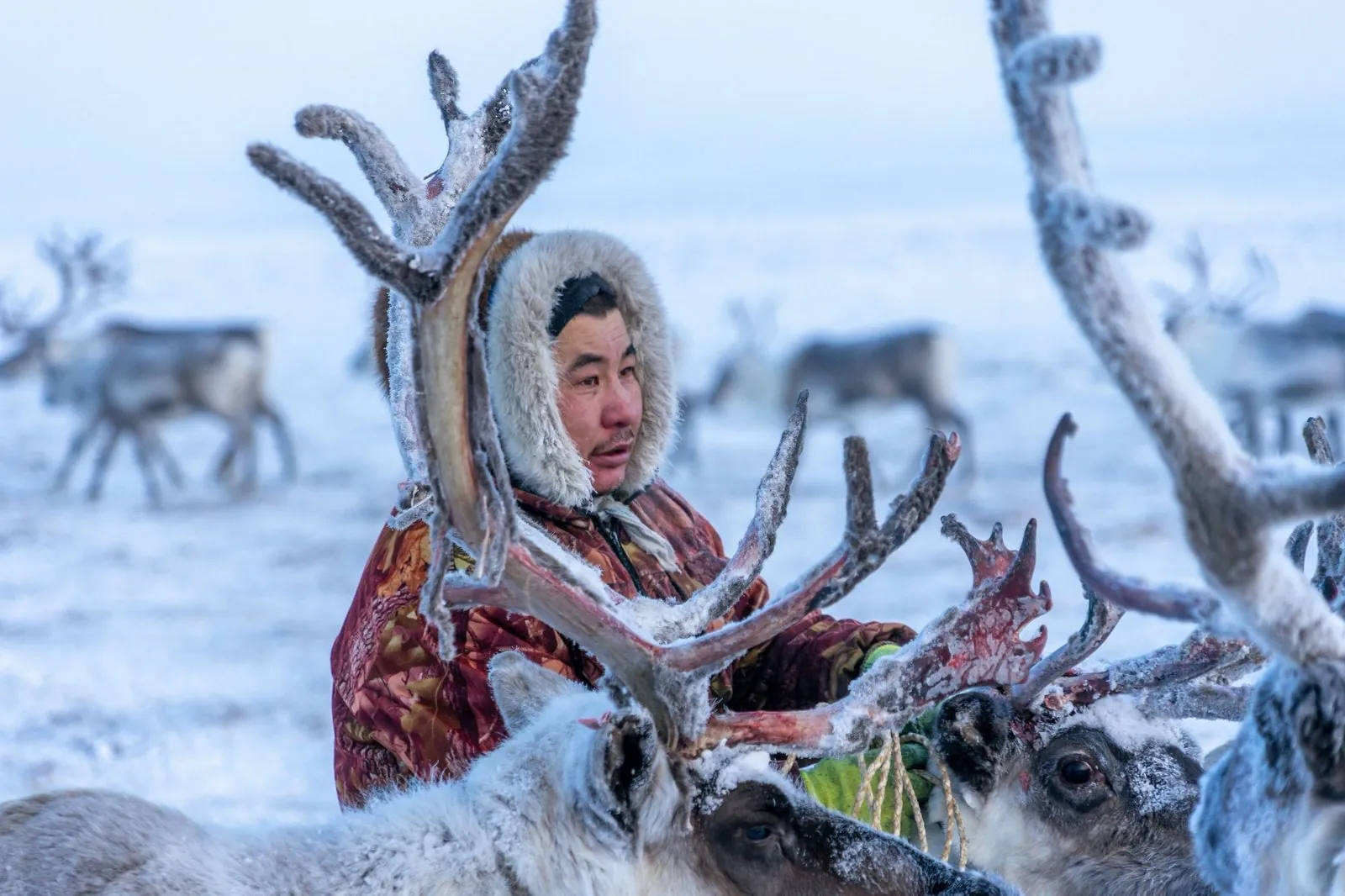
Siberia is where the word 'shaman' comes from, the Tungusic šaman, 'one who knows.' For thousands of years across the vast frozen expanse from the Urals to the Pacific, Siberian shamans have used dreams as their primary tool: for healing, for prophecy, for communicating with the dead, and for navigating the spirit world. This is arguably the oldest continuous dream tradition on Earth.
In Siberian shamanic traditions, dreams are the shaman's primary working tool. Through them a person is called to the role, learns to travel the three worlds of the World Tree, and meets the spirit helpers used for healing, prophecy, and contact with the dead.
At a glance
- The role chooses the person through dreams: a prolonged dream crisis of being dismembered and reassembled by spirits, called äméřiäk by the Tungus, marks the shamanic calling.
- Shamans travel a shared dream geography centered on the World Tree (Aal Luuk Mas in Yakut tradition), climbing or descending between the Upper, Middle, and Lower worlds.
- Animal spirit helpers such as bear, eagle, wolf, and raven appear first in dreams, each granting specific abilities the shaman reports back to the community.
How to read this
This page describes dream beliefs within Siberian shamanic traditions, drawn from the peoples it cites, the Evenki, Yakut, Buryat, Tuvan, and Chukchi. It is a respectful account of living and historical cultures, not a claim about how dreams actually work. Much of the record comes from outside observers, so where the sourcing is partial we say so.
When Dreams Choose the Shaman
In virtually all Siberian traditions, Evenki, Yakut, Buryat, Tuvan, Chukchi, the shaman does not choose the role. The role chooses them through dreams. The calling typically manifests as a prolonged dream crisis: the future shaman experiences recurring dreams of being dismembered by spirits, having their bones reassembled, receiving new organs (especially eyes that can see into other worlds), and being taught songs and rituals by ancestral shamans.
This shamanic illness, called äméřiäk by the Tungus, can last months or years. Resisting the call leads to genuine physical and mental deterioration. Accepting it and completing the dream initiation restores health and grants abilities. Modern psychology recognizes this pattern as a transformative crisis, a dissolution of the old self that precedes psychological rebirth.
The World Tree and Dream Geography
Siberian shamans navigate dreams using a cosmic map centered on the World Tree (Aal Luuk Mas in Yakut tradition). This tree connects three worlds: the Upper World of sky spirits and celestial deities, the Middle World of living beings, and the Lower World of the dead and chthonic powers. During trance or dream, the shaman's soul climbs or descends this tree.
Each level has specific inhabitants, specific dangers, and specific gifts. The shaman learns through dream apprenticeship, older spirit-shamans teach navigation, introduce spirit allies, and reveal which paths are safe. This dream geography is consistent within each cultural group, different shamans from the same people describe the same landscapes, the same beings, the same landmarks. The unconscious, it seems, has a shared architecture.
The Drum as Dream Vehicle
The shaman's drum is not merely an instrument, it is a dream vehicle. Siberian shamans across all traditions describe the drum as a horse, reindeer, or bird that carries them between worlds. The rhythmic beating (typically 4-4.5 Hz, matching theta brainwave frequency) induces a state neurologically identical to the hypnagogic transition into dreaming.
The drum's surface often bears a painted map of the three worlds, a literal navigation chart for dream travel. During ceremony, the shaman describes their journey in real-time to the assembled community, narrating encounters with spirits while the drumming maintains the trance. This is essentially lucid dreaming with a live audience and a soundtrack.
Dream Helpers and Animal Spirits
Every Siberian shaman has spirit helpers who appear first in dreams and later in trance journeys. The most common are animal spirits, bear, wolf, eagle, reindeer, raven, each associated with specific abilities. The bear grants healing power. The eagle provides vision across vast distances. The wolf teaches tracking and persistence. The raven reveals hidden things.
These are not symbolic associations but experienced relationships. The shaman converses with these beings, receives specific instructions, and reports back to the community. When a shaman dies, their power animals are believed to seek a new host, often appearing in the dreams of young people, beginning the cycle of calling again. Jung recognized these figures as manifestations of what he called the archetypal Self, wisdom from the collective unconscious wearing the face of the natural world.
Facts That Will Surprise You
Did you know 'shaman' is a Siberian word? It comes from the Tungusic šaman, meaning 'one who knows', and Siberia remains the heartland of the world's oldest continuous shamanic dream tradition.
Did you know shamanic drumming matches dream brainwaves? The 4-4.5 Hz rhythm of the shaman's drum exactly matches theta frequency, the brainwave pattern of the hypnagogic state between waking and dreaming.
Did you know Siberian shamans are 'chosen' by dreams? The shamanic calling manifests as a dream crisis, recurring visions of being dismembered and reassembled by spirits, that can last months or years. Resisting the call causes illness; accepting it grants power.
Siberian Shamanism & Dreams: Questions People Ask
What role do dreams play in Siberian shamanism?
Dreams are the primary tool of the Siberian shaman. They deliver the calling, teach navigation of the three worlds of the World Tree, and provide the spirit helpers used for healing, prophecy, and contact with the dead.
How does someone become a Siberian shaman?
A person is chosen by dreams rather than choosing the role. The calling comes as a prolonged dream crisis of being dismembered and reassembled by spirits, called amerjak by the Tungus, and it can last months or years. Accepting it and completing the dream initiation is said to restore health and grant the shaman's abilities.
Why do Siberian shamans use a drum?
The drum acts as a dream vehicle. Shamans describe it as a horse, reindeer, or bird carrying them between worlds, and its 4 to 4.5 Hz rhythm matches theta brainwaves, the frequency of the hypnagogic edge of sleep.
Go Deeper
Siikala compared séances across Siberian peoples and found the differences follow how those peoples live, not one universal pattern.
View in Sources ↗Three decades of fieldwork, most of it with the Sakha in Yakutia, showing shamanism being rebuilt after the Soviet Union rather than dying out.
View in Sources ↗One dream is a night.
Kept together, they begin to show a thread. The Dream Journal letter arrives on the 1st and the 15th: one symbol read closely, one honest idea from the science of sleep.
Free · Twice a month max · One-click unsubscribe
And if you want to keep the dreams themselves: the Companion plan keeps what you cannot see alone.
Did an animal come to you in a dream?
Siberian shamanic traditions treat such an animal as a helper and a teacher, within their own practice. What it was for you is yours to weigh. You can bring the dream here and look at it from several sides.
Read Your DreamNo account needed · Room for the whole dream · Private by design