Psychology · 10 min
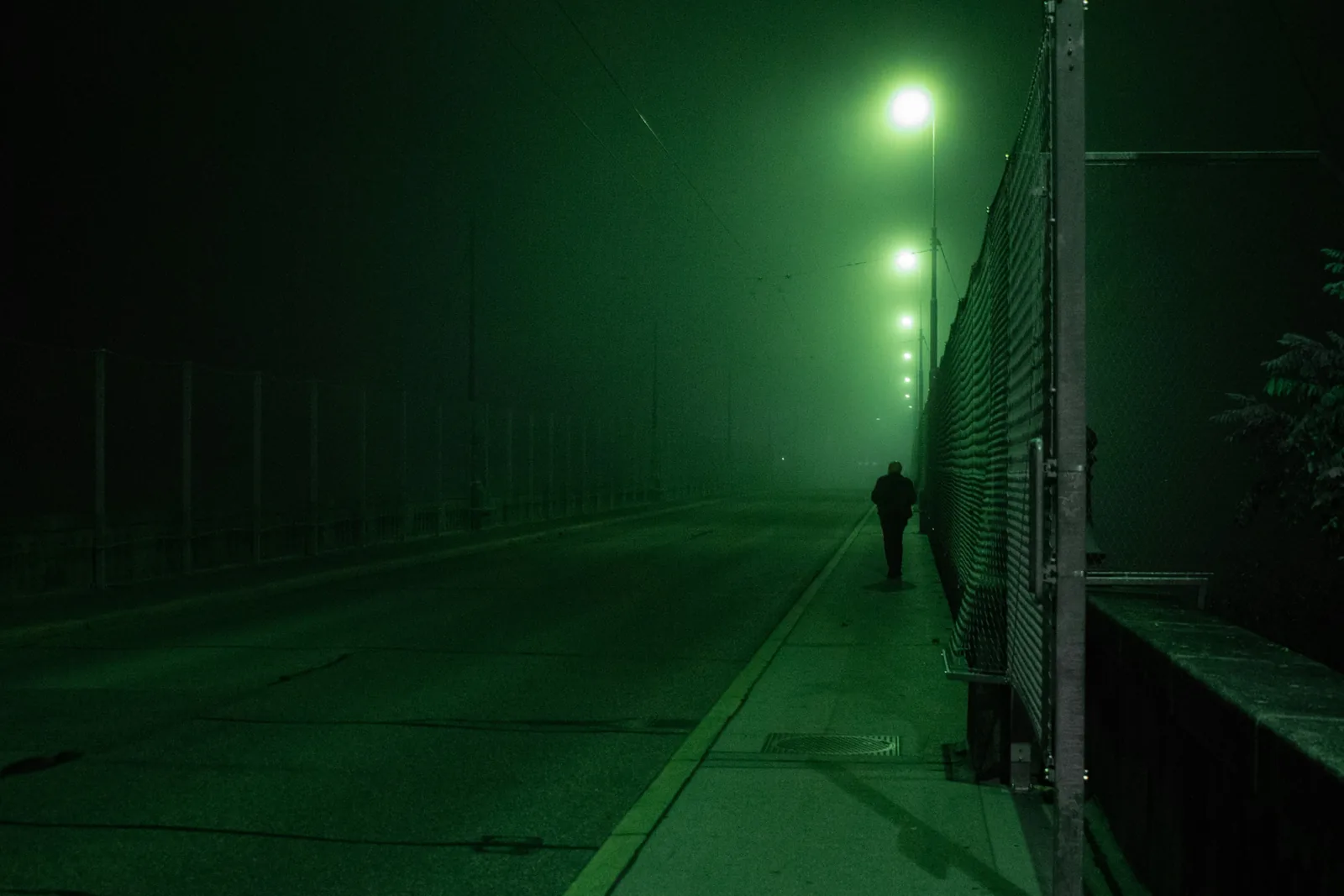
Nightmares: What They Are, and What Helps
Occasional nightmares are normal and frequent ones are treatable. Why they come, the rewrite that sleep medicine recommends, and what to do at three in the morning.
Read the article →What the night is trying to tell you. A growing collection of essays on dream symbols, the science of sleep, and dream psychology, with new pieces added regularly.
Occasional nightmares are normal and frequent ones are treatable. Why they come, the rewrite that sleep medicine recommends, and what to do at three in the morning.
Occasional nightmares are normal and frequent ones are treatable. Why they come, the rewrite that sleep medicine recommends, and what to do at three in the morning.
Read the article →
They come back at kitchen tables, well again, ordinary again. Visitation dreams, continuing bonds, and the one question nobody can honestly answer.
Read the article →
Nearly four in ten of us have lost teeth in a dream. Egypt and Artemidorus puzzled over it, Freud theorized, and a 2018 study finally put it to the test.
Read the article →
Some of the biggest ideas in science arrived while their discoverers were asleep. What really happened, and what is only legend.
Read what really happened →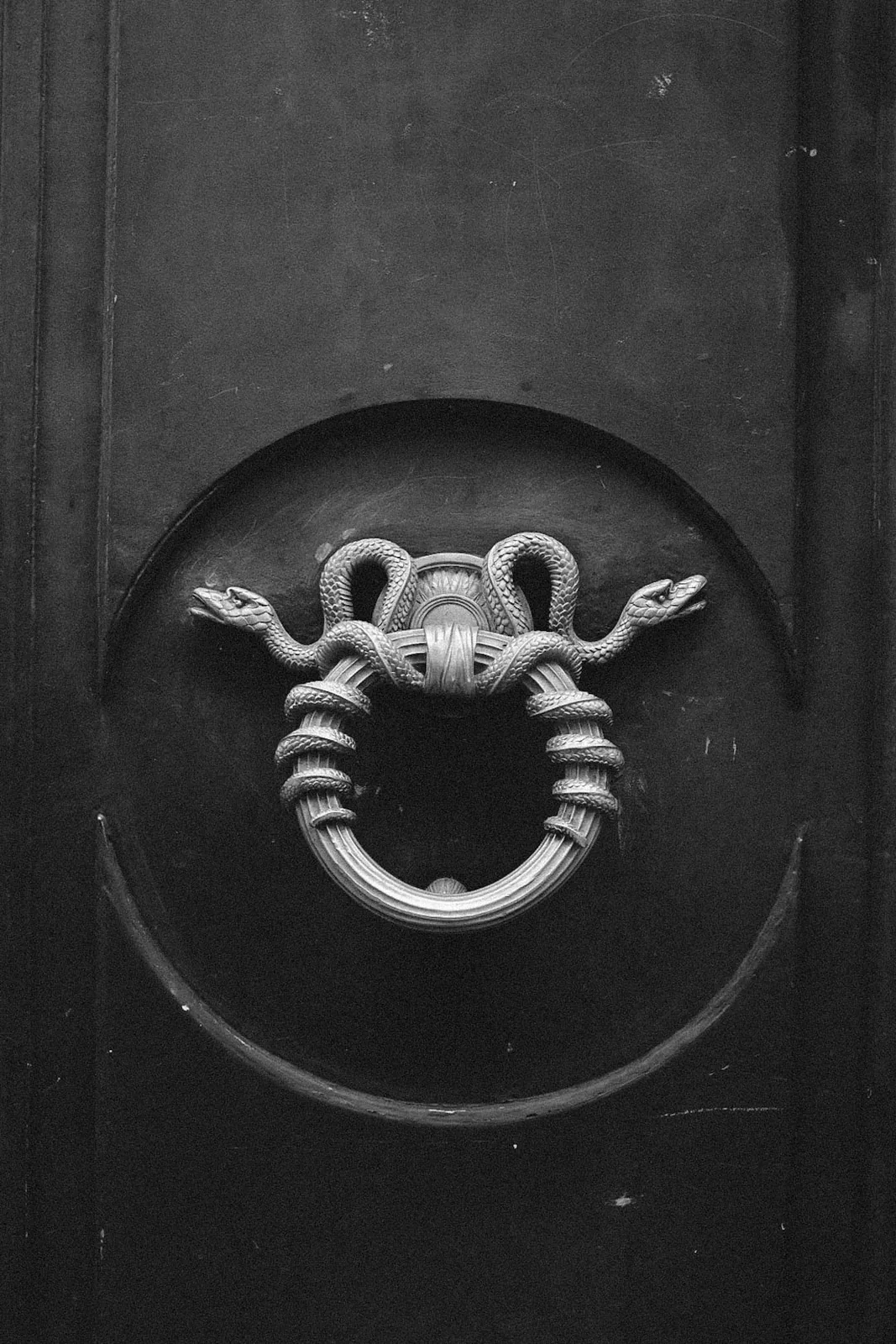
Instinct, transformation, and the shedding of an old skin. A Jungian and cross-cultural guide, plus the snake dream behind the benzene ring.
Read the symbol →
Full consciousness while you sleep. The neuroscience, the techniques compared, and how to stay in and steer a lucid dream.
Read the guide →
Stress dreams, the 3 AM jolt, the dread that follows you into morning. The connection between cortisol and dream content runs deep.
Understand the cycle →
You dream four to six times a night. The problem is the 90-second window after waking when the memory either sticks or vanishes.
Start remembering →
The falling, the unprepared exam, the teeth. Recurring dreams follow patterns, and they usually stop once you understand what they're about.
Break the loop →
Jung saw every dream character as a fragment of you. The Shadow, the Anima, active imagination, and how to use them on your own dreams.
Explore the method →
REM sleep, memory consolidation, the prefrontal cortex going dark while the visual cortex lights up. The neuroscience behind the strangeness.
Read the science →
Five theories of dreaming, recurring symbols across cultures, and a simple framework for keeping a dream journal.
Read the guide →