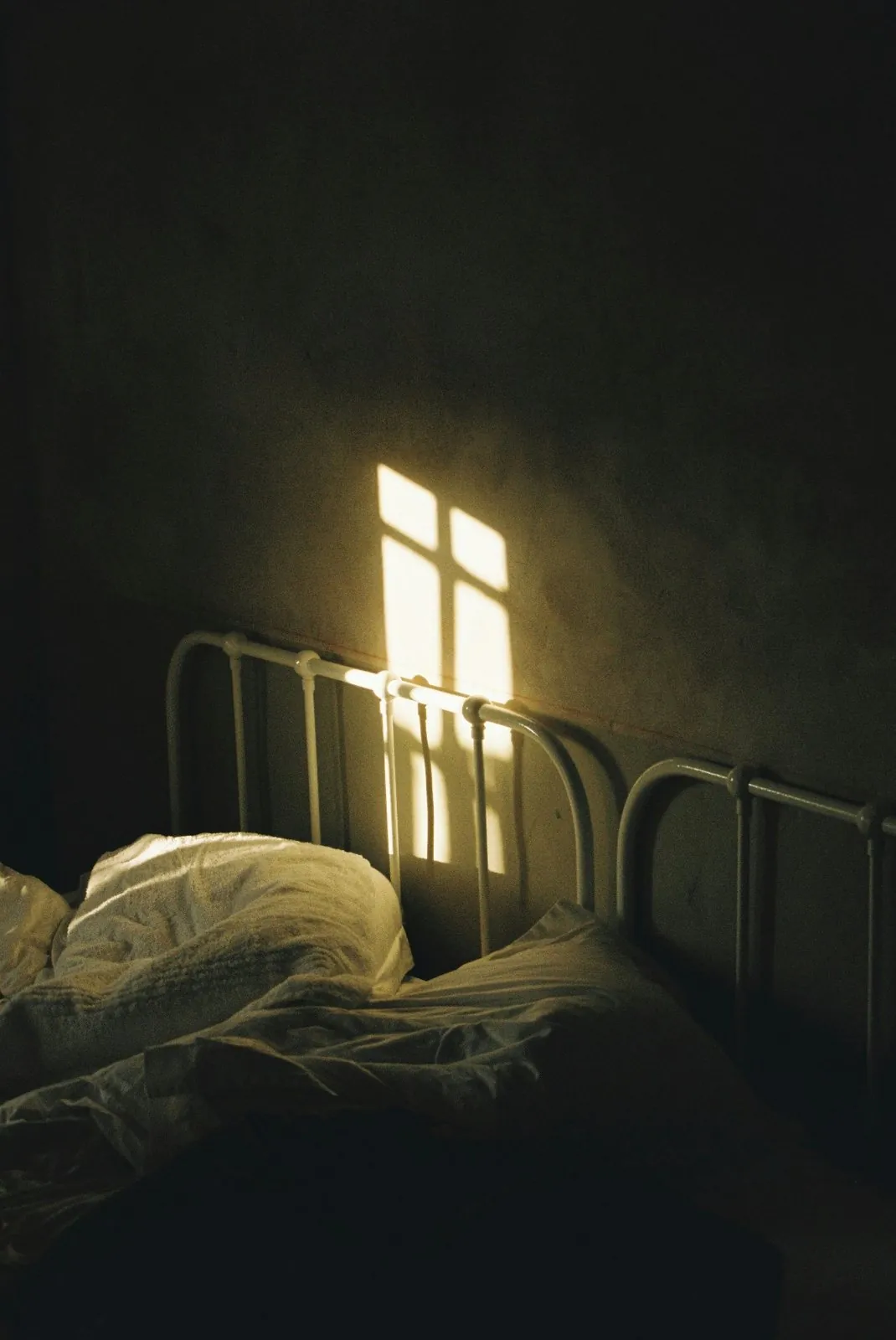
The experience
What Sleep Paralysis Actually Is
During REM sleep, your brain paralyzes your voluntary muscles, a safety mechanism called REM atonia that prevents you from acting out your dreams. Sleep paralysis occurs when this paralysis persists into wakefulness: you are conscious, but your body remains locked in sleep mode.
The experience typically lasts seconds to minutes and is often accompanied by hypnagogic hallucinations: a sense of presence in the room, pressure on the chest, difficulty breathing, shadowy figures, and overwhelming dread. The hallucinations are generated by a brain caught between dreaming and waking, producing dream imagery while the conscious mind watches, terrified and unable to move.
An estimated 8% of the population experiences sleep paralysis at least once. It is more common during periods of sleep deprivation, irregular sleep schedules, and high stress, exactly the conditions that disrupt the normal transitions between sleep stages.