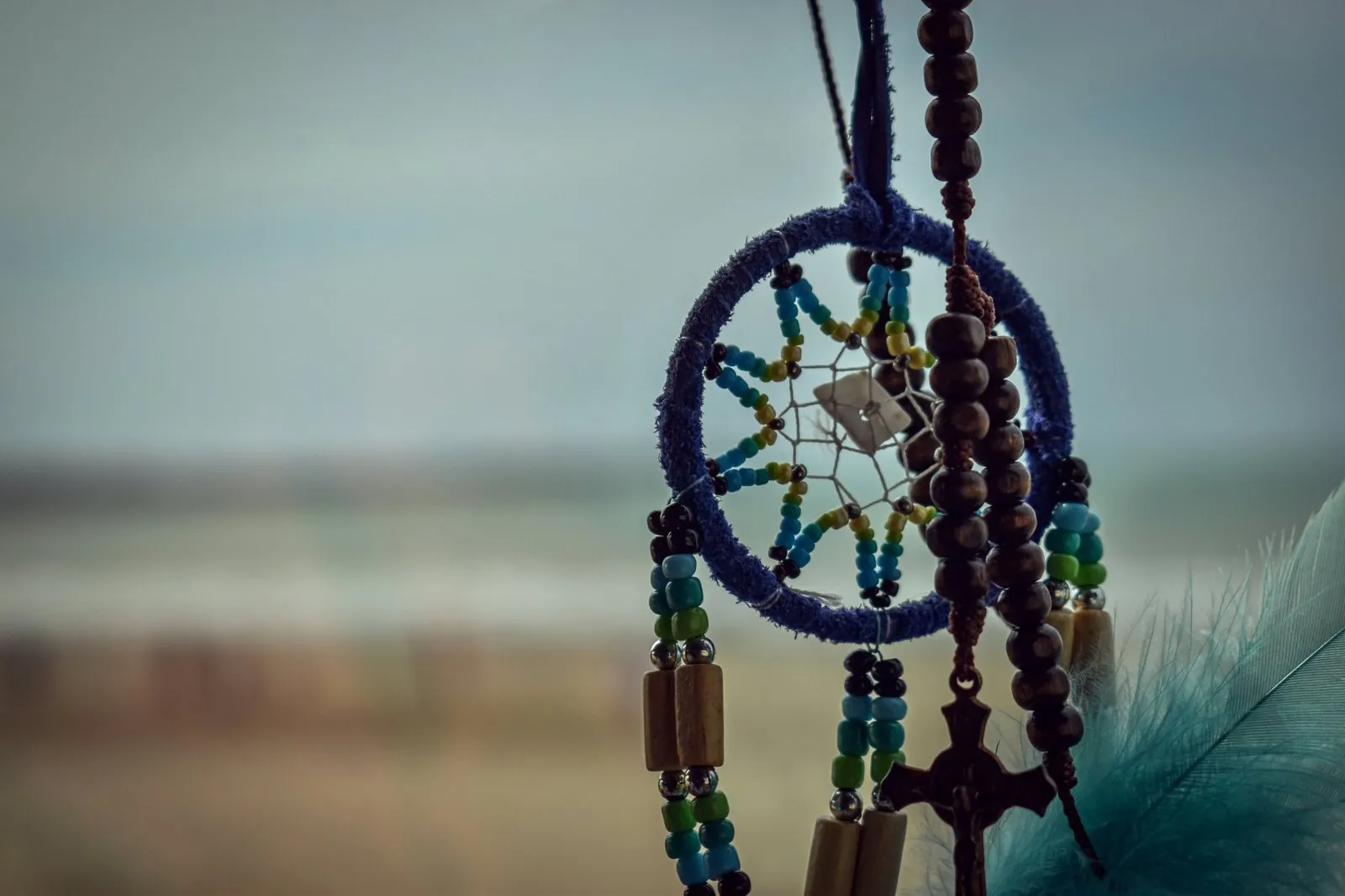
Native American Dreams: Vision Quests, Healing & Sacred Sleep
For Indigenous North Americans, dreams were not private, they were shared, interpreted communally, and acted upon as sacred guidance. Vision quests, dream catchers, and communal dream therapy existed here centuries before Western psychology was born.
The nations sampled on this page, Haudenosaunee, Lakota, Ojibwe, and Dunne-za, treated dreams as shared guidance to be acted on, not private experiences kept quiet. This page reaches into a few of the hundreds of distinct nations, so it shows patterns rather than one single belief.
At a glance
- The Haudenosaunee (Iroquois) shared dreams communally each morning and worked to fulfill the dream's desire, holding that unfulfilled dreams could cause illness.
- The vision quest, called Hanblečeya ("crying for a vision") among the Lakota, sent a young person alone into the wilderness to fast and wait for a dream revealing their purpose, guardian, and name.
- The dreamcatcher began as an Ojibwe charm hung over infants' cradles, its web catching nightmares while good dreams passed through the center.
How to read this
These are hundreds of distinct, living nations, not a single "Native American" view. The dreamcatcher, for one, began with the Ojibwe before it spread to many other peoples. This page samples a few of those living cultures with respect rather than telling you how dreams work, and some of this knowledge is sacred and held by the community, not ours to hand out.
Iroquois Dream Healing: 300 Years Before Freud
The Haudenosaunee (Iroquois) had perhaps the most sophisticated dream culture in North America. Dreams were shared communally each morning. The community then worked together to fulfill the dream's desire, not merely interpret it, but enact it.
The Iroquois believed that unfulfilled dreams caused illness. A person's soul had desires that surfaced in sleep, and suppressing those desires made the body sick. This is strikingly parallel to Freud's core insight, that repressed desires manifest as symptoms, but practiced communally, 300 years earlier.
During the Midwinter Dream Festival, the entire community participated in dream sharing and dream enactment. Masked dancers acted out dreams. Objects seen in dreams were given to the dreamer. The community literally brought dreams into material reality.
The Vision Quest
The vision quest (known by many names across nations) was a rite of passage in which a young person went alone into the wilderness, fasting, praying, and waiting for a dream or vision that would reveal their life purpose, their spirit guardian, and their name.
Among the Lakota, the practice is called Hanblečeya ("crying for a vision"). The seeker spends days alone on a hilltop without food or water, exposed to the elements, until a vision comes. The vision is then interpreted by an elder, and it shapes the person's entire life direction.
Black Elk, the Oglala Lakota holy man, had his famous Great Vision at age nine, a complex, multi-layered dream that he described in striking detail decades later. His vision foretold both the suffering and the eventual renewal of his people.
"I was seeing in a sacred manner the shapes of all things in the spirit, and the shape of all shapes as they must live together like one being."
Black Elk, describing his Great VisionPractices Across Nations
Dreamcatcher (Ojibwe)
Originally hung over infants' cradles. The web caught nightmares; good dreams slipped through. A specific Ojibwe tradition that became pan-Indian.
Vision Quest (Lakota)
Hanblečeya, fasting alone in wilderness, crying for a vision that reveals your life purpose, spirit guardian, and name.
Dream Festival (Iroquois)
Midwinter communal dream sharing. The community enacts dreams, masked dancers, gift-giving, collective healing.
Dream Prophecy (Dunne-za)
The Dunne-za (Beaver people) believe dreamers can travel to heaven on a "trail to heaven" and bring back songs and guidance.
Facts That Will Surprise You
Did you know the Iroquois practiced group dream therapy 300 years before Freud? Every morning, dreams were shared communally, and the community worked to fulfill the dream's desire. Unfulfilled dreams caused illness. Collective healing through sleep.
Did you know dreamcatchers were originally a specific Ojibwe tradition? Hung over infants' cradles, the web caught nightmares while letting good dreams pass through the hole in the center. Now a global symbol, but born from one nation's love of children's sleep.
Did you know Black Elk's Great Vision at age nine shaped the spiritual life of an entire people? The Oglala Lakota holy man received a complex, multi-layered dream that foretold both suffering and renewal, a vision he carried and shared for decades.
Native American Dreams: Questions People Ask
What is a Native American vision quest?
A vision quest is a rite of passage in which a young person goes alone into the wilderness to fast, pray, and wait for a dream that reveals their life purpose, spirit guardian, and name. Among the Lakota it is called Hanblečeya, crying for a vision, spent days on a hilltop and then interpreted by an elder.
Where does the dreamcatcher come from?
Dreamcatchers began as an Ojibwe tradition, a charm hung over infants' cradles so its web would catch nightmares while good dreams slipped through the hole in the center. It later spread across many nations and became a pan-Indian symbol.
How did the Iroquois use dreams?
The Haudenosaunee (Iroquois) shared dreams communally each morning and the community worked together to fulfill the dream's desire rather than only interpret it. They believed unfulfilled dreams could make a person ill, and during the Midwinter Dream Festival masked dancers acted dreams out and objects seen in dreams were given to the dreamer.
Who was Black Elk and what was his Great Vision?
Black Elk was an Oglala Lakota holy man who received his Great Vision at age nine, a complex, multi-layered dream he described in detail decades later. His vision foretold both the suffering and the eventual renewal of his people.
Go Deeper
350 recorded visionary dreams from twenty-three Plains peoples across 150 years.
View in Sources ↗An Anishinaabe scholar on the protocols for working with dreams, written from inside the tradition.
View in Sources ↗How the seventeenth-century Iroquois read a dream as a hidden wish of the soul, centuries before Freud.
View in Sources ↗One dream is a night.
Kept together, they begin to show a thread. The Dream Journal letter arrives on the 1st and the 15th: one symbol read closely, one honest idea from the science of sleep.
Free · Twice a month max · One-click unsubscribe
And if you want to keep the dreams themselves: the Companion plan keeps what you cannot see alone.
Has a dream ever felt like it was meant for you?
Many Native nations hold some dreams as guidance to be taken seriously, within their own ways of listening. This page describes that with respect and makes no claim of its own. A dream of yours can be read here as a whole.
Read Your DreamNo account needed · Room for the whole dream · Private by design