The Snake Eating Its Own Tail
The cycle of death and rebirth, destruction and creation. Kekulé dreamed of this image and discovered the benzene ring. In dreams, it signals that an ending and a beginning are the same event.
Snake symbol →
Jung spent 14 years studying alchemy, and concluded it was the most complete historical map of the unconscious mind ever created. The alchemists thought they were turning lead into gold. They were actually documenting the stages of psychological transformation. Their symbols appear in dreams to this day: the blackening, the whitening, the reddening, the philosopher's stone.
Jung studied alchemical texts for 14 years and concluded that alchemy was the historical counterpart of his psychology of the unconscious. He read the alchemists' symbols, the blackening, the whitening, the reddening, and the philosopher's stone, as a map of psychological transformation that keeps appearing in dreams.
At a glance
How to read this
Jung read alchemy as a symbolic map of the psyche, not literal chemistry, and this page follows that reading. Alchemy predates modern science, so its physical claims about turning lead into gold are not real chemistry. Jung's psychological interpretation, where the nigredo, albedo, rubedo stages track the individuation process, is an influential framework and a lens for reflection, not a proven scientific theory.
In the early 1930s, Carl Jung began a systematic study of alchemical texts that would occupy him for the rest of his career. What he found astonished him: the medieval alchemists, working in their laboratories with furnaces and retorts, had produced the most detailed symbolic record of the individuation process, the journey toward psychological wholeness, that existed anywhere in Western literature.
The alchemists believed they were transmuting base metals into gold. Jung recognized they were projecting their own psychological transformation onto matter. Their elaborate symbolic language, the king and queen, the dragon, the peacock's tail, the philosopher's stone, mapped precisely onto the dream imagery Jung was seeing in his patients. Alchemy was, in his words, "the historical counterpart of my psychology of the unconscious" (CW 12).
"The experiences of the alchemists were, in a sense, my experiences, and their world was my world. I had stumbled upon the historical counterpart of my psychology of the unconscious."
C.G. Jung, Memories, Dreams, ReflectionsDissolution, death, despair. The prima materia must be destroyed before transformation begins. In dreams: darkness, death, decay, depression. The necessary destruction of the old self.
Purification, reflection, the emergence of the lunar consciousness. In dreams: white landscapes, washing, mirrors, moonlight. The soul, cleansed of its impurities, begins to see clearly.
The dawn of solar consciousness, wisdom, the first glimpse of gold. In dreams: sunrise, golden light, warmth returning after cold. Often merged with rubedo in later alchemical texts.
The philosopher's stone is achieved. The union of opposites, masculine and feminine, conscious and unconscious, is complete. In dreams: the sacred marriage, the divine child, the Self.
Jung observed that his patients' dream sequences often followed this exact progression, from dark, destructive imagery through purification to integration and wholeness. The alchemical map, created centuries earlier, described the same inner journey.
You do not need to know anything about alchemy for its symbols to appear in your dreams. The unconscious generates these images spontaneously because they represent universal patterns of transformation:
The cycle of death and rebirth, destruction and creation. Kekulé dreamed of this image and discovered the benzene ring. In dreams, it signals that an ending and a beginning are the same event.
Snake symbol →The union of the King and Queen, masculine and feminine principles within the psyche. In dreams: wedding imagery, embracing an unknown figure of the opposite sex, two rivers merging into one.
Anima / Animus integrationThe goal of the Great Work, wholeness, the integrated Self. In dreams: a precious stone, a pearl, a diamond, a luminous object discovered in darkness. Jung called it "the symbol of something that can never be lost or dissolved."
The Self archetypeAlchemy provides something no other symbolic system offers: a complete map of the transformation process with precise stages, each with its own imagery, emotional quality, and psychological meaning. When a dreamer is in the nigredo, experiencing dark, destructive, despairing dreams, the alchemical framework reassures us that this is not pathology. It is the necessary first stage of a transformation that, if followed through, leads to gold.
Edward Edinger's Anatomy of the Psyche (1985) systematized the connections between alchemical operations and psychological processes: calcinatio (fire, frustration), solutio (dissolution, tears), coagulatio (solidification, grounding), sublimatio (elevation, spirit). Each operation appears in dreams as specific imagery that, once recognized, reveals where you are in your own transformation.
Did you know Jung spent 14 years studying alchemy? He concluded that medieval alchemists had created the most complete symbolic record of psychological transformation in Western history, without knowing it.
Did you know the ouroboros (snake eating its tail) inspired the discovery of benzene's structure? Chemist August Kekulé dreamed of this ancient alchemical symbol and realized that benzene's molecular structure was a ring.
Did you know alchemical stages appear spontaneously in modern dreams? Patients who know nothing about alchemy produce dream sequences that follow the nigredo-albedo-rubedo progression, the same map created by medieval alchemists.
Jung spent 14 years studying alchemical texts and concluded that medieval alchemy was the historical counterpart of his psychology of the unconscious. He argued the alchemists were not really turning lead into gold but projecting their own psychological transformation onto matter, and that their symbols map onto the dream imagery he saw in his patients.
Nigredo, the blackening, shows up as darkness, death, and decay, the destruction of the old self. Albedo, the whitening, appears as white landscapes, washing, and mirrors, a stage of purification. Rubedo, the reddening, arrives as the sacred marriage and the divine child, the union of opposites Jung called the Self.
Jung found that patients who knew nothing about alchemy still produced dream sequences following the nigredo, albedo, rubedo progression. The unconscious generates images such as the ouroboros, the sacred marriage, and the philosopher's stone spontaneously because they represent universal patterns of transformation rather than learned knowledge.
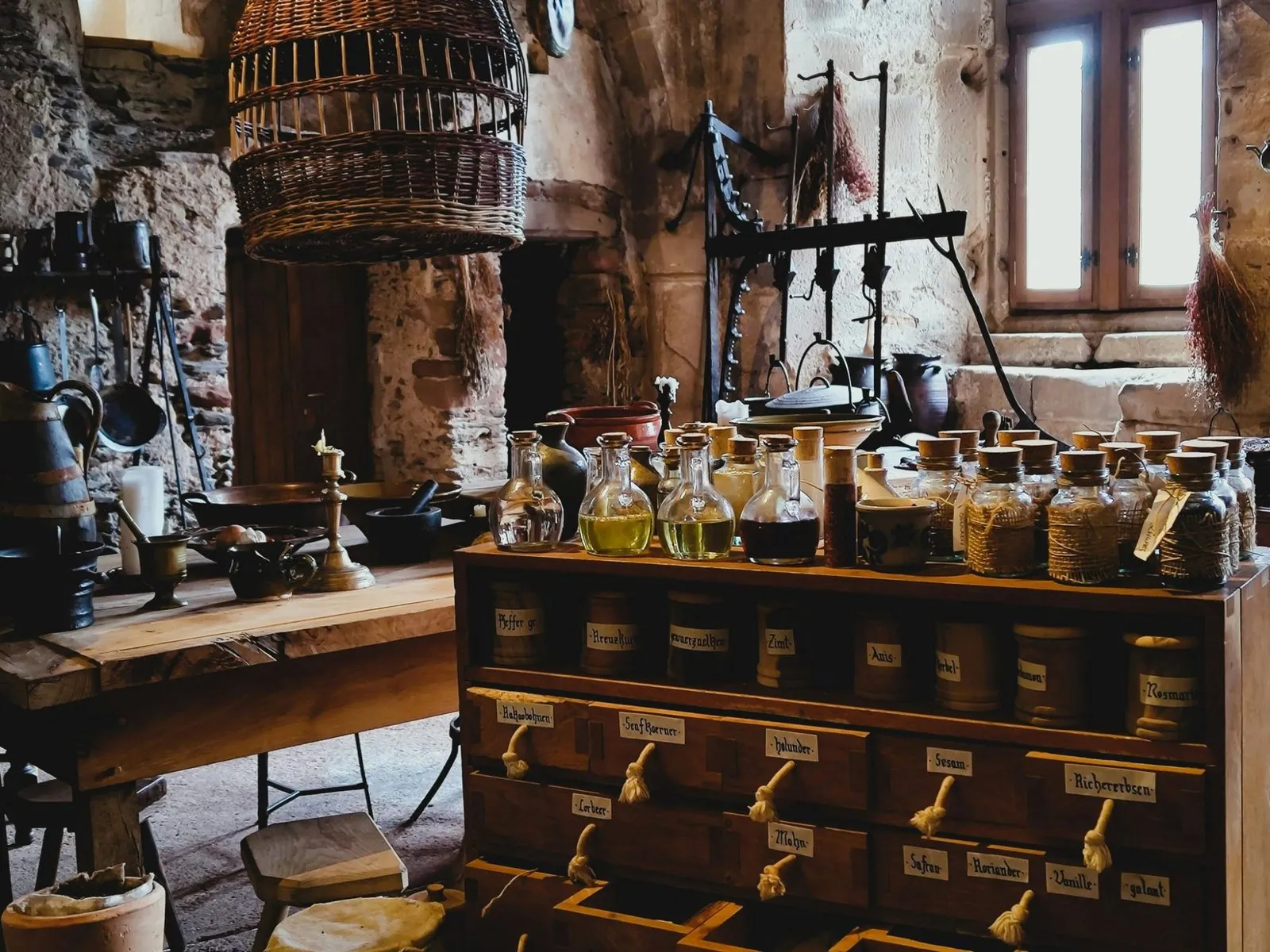
CW Vol. 12. Alchemical symbolism as a mirror of the individuation process.
View in Sources ↗The ego-Self axis and how archetypal dreams signal stages of individuation.
View in Sources ↗Founder of archetypal psychology. Dreams belong to the underworld, interpret images on their own terms.
View in Sources ↗Kept together, they begin to show a thread. The Dream Journal letter arrives on the 1st and the 15th: one symbol read closely, one honest idea from the science of sleep.
Free · Twice a month max · One-click unsubscribe
And if you want to keep the dreams themselves: the Companion plan keeps what you cannot see alone.
Jung read the alchemists as describing the psyche's slow work. It is one lens among several. The reading uses it lightly and says where it is only guessing.
Read Your DreamNo account needed · Room for the whole dream · Private by design