Jung's Dream Symbols: Archetypal Images and Their Meaning
Jung never wrote a dream dictionary. He spent his career arguing against them. For Jung, a dream symbol is not a code to crack but a living image that carries meaning in its own right. Here are the archetypal figures and images he found recurring across 70,000+ dreams, and how to read them in yours.
Jung's dream symbols are archetypal images such as the Shadow, the Anima or Animus, the Wise Old Man or Woman, the Great Mother, the Trickster, and the Self, patterns he found recurring in dreams across all cultures. He treated each one as a living image to read in the dreamer's own context, not a fixed meaning to look up in a dictionary.
At a glance
- Jung drew a line between a sign, which has a fixed agreed meaning like a red light meaning stop, and a symbol, a living image that carries more meaning than any definition can hold.
- He named six archetypal figures that surface in dreams across cultures: the Shadow, the Anima and Animus, the Wise Old Man or Woman, the Great Mother, the Trickster, and the Self.
- To read a symbol he used amplification: stay with the image, then ask what is personal, cultural, and archetypal about it, and what conscious attitude the dream is balancing.
Where the science stands
Jung's archetypes are a framework for reflection, not a scientifically validated map of the mind. There is no evidence that dreams carry fixed universal meanings, and no scientific consensus behind the collective unconscious as a literal fact. Your own associations with the image come first, as the amplification steps on this page show, so treat the Shadow or the Self as a lens rather than a codebook, even though Jungian work remains a serious practice.
Why Jung Refused to Write a Dream Dictionary
Carl Jung made a distinction that changes everything about how you read dreams. A sign has a fixed, agreed-upon meaning. A red traffic light means stop. The letter "A" means a specific sound. Signs are interchangeable, any other shape could carry the same meaning.
A symbol is different. A symbol points toward something that cannot be fully expressed any other way. It carries surplus meaning that no definition can exhaust. When you dream of water, the image contains emotional, bodily, cultural, and archetypal associations that no dictionary entry can capture.
This is why dream dictionaries fail. They treat symbols as signs, snake = sexuality, house = self, falling = anxiety. Jung argued this strips the image of its living power. The snake in your dream last night is not the same snake as in someone else's dream. Your personal history, your culture, your current psychological situation all shape what that snake means for you.
"A word or an image is symbolic when it implies something more than its obvious and immediate meaning."
Carl Gustav Jung, Man and His Symbols (1964)Six Figures That Appear in Everyone's Dreams
While Jung rejected fixed meanings, he did identify archetypes, universal patterns from the collective unconscious that appear in dreams across all cultures. These are not fixed symbols but dynamic forces that take different forms for different dreamers.
The Shadow
Everything you have rejected about yourself. The parts you call "not me." In dreams, the Shadow is usually the same sex as the dreamer and often threatening. A gentle person's Shadow might be violent. A disciplined person's Shadow might be wild. The Shadow is not evil, it holds creative potential you have disowned. Confronting it is the first step in individuation.
The Anima / Animus
The inner feminine in men (anima) and inner masculine in women (animus). In dreams, they appear as compelling figures of the opposite sex, sometimes seductive, sometimes wise, sometimes dangerous. They represent the parts of your psyche that your gender conditioning has suppressed. Integration of the anima/animus leads to psychological balance.
The Wise Old Man / Woman
Inner wisdom that emerges when the conscious mind is lost. In dreams, this figure offers guidance, sometimes in riddles. It represents knowledge that you already possess unconsciously but haven't accessed. Gandalf, Yoda, the fairy godmother, these fictional characters stay with us because they embody an archetype we all carry.
The Great Mother
The dual archetype of nurturing and devouring. The Great Mother gives life and takes it. In dreams, she may appear as your actual mother, but amplified, more powerful, more terrifying, more comforting than the real person. She represents the unconscious itself, the source from which all psychic life emerges and to which it returns.
The Trickster
Chaos, disruption, transformation. The Trickster breaks rules, crosses boundaries, and makes you laugh at what you take too seriously. In dreams, trickster figures create confusion that leads to new perspective. They appear when your ego has become too rigid, too certain, too controlled. Hermes, Coyote, Loki, every mythology has one.
The Self
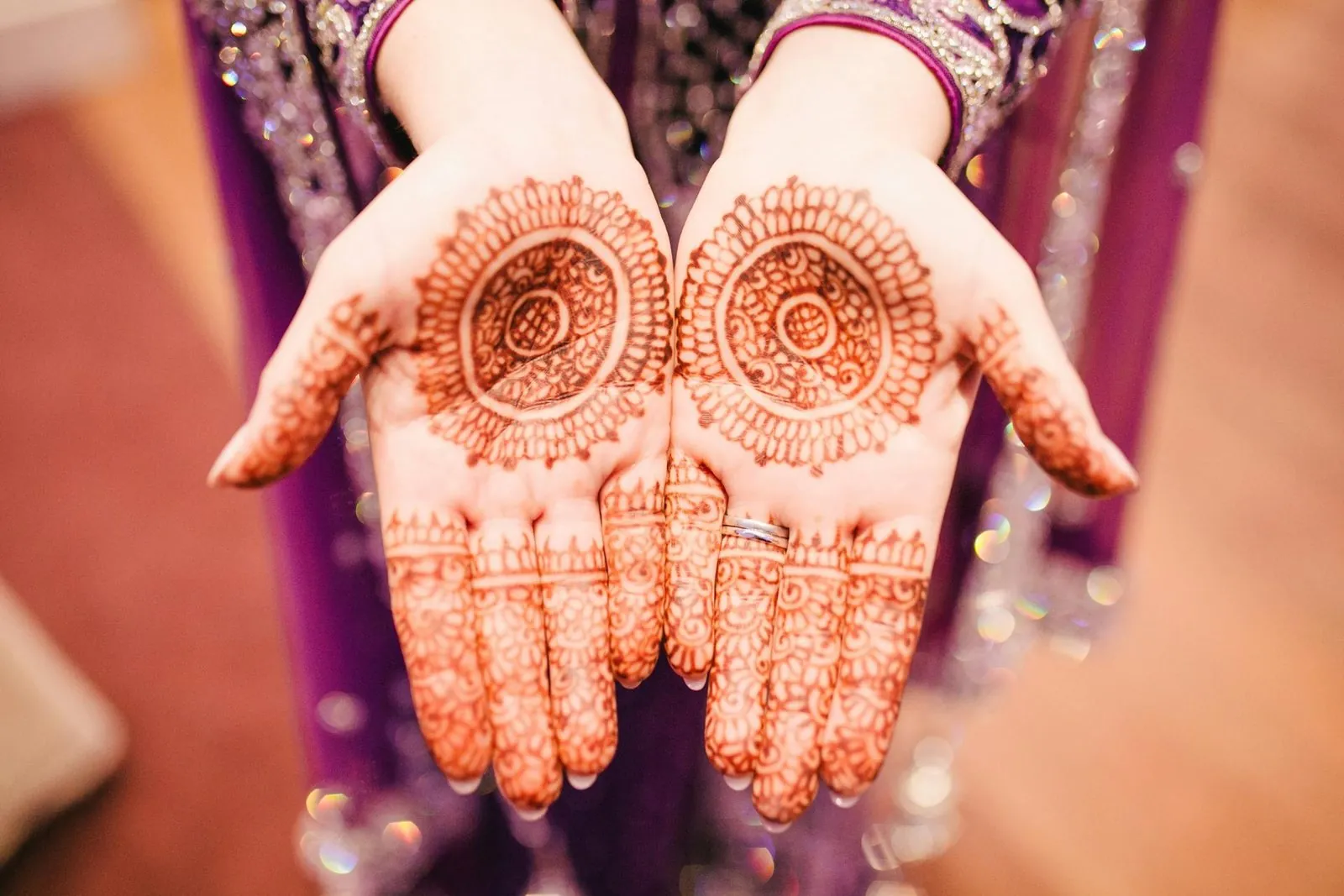
The archetype of wholeness, the totality of the psyche, conscious and unconscious unified. The Self is the goal of individuation. In dreams, it appears in images of completeness, circles, squares, four-fold patterns, radiant light. Jung considered the mandala the primary symbol of the Self. It appears spontaneously in dreams during periods of deep psychological transformation.
Universal Symbols in Jungian Dream Work
Beyond the archetypal figures, Jung identified recurring images that carry deep symbolic weight across cultures. These are not "meanings" to look up, they are starting points for amplification.
Water
The unconscious itself. Emotional depth. Transformation.
Snake
Renewal. Healing. The chthonic unconscious.
House
The psyche. Upper floors = consciousness. Basement = unconscious.
Flying
Liberation. Inflation. Rising above limitations.
Death
Transformation. End of an old attitude. Rebirth.
Falling
Loss of control. Ego deflation. Return to earth.
Being Chased
Shadow pursuit. What you refuse to face follows you.
Child / Baby
New beginning. The divine child. Potential.
All 43 Symbols →
Explore the full Somniary symbol dictionary.
Remember: these are not translations. Water in your dream might mean the unconscious, or it might mean the vacation you took last summer, or the flood that destroyed your childhood home. The archetypal meaning is a layer of depth, not a replacement for personal context.
Working With Your Own Dream Symbols
Jung's approach to dream symbols is not passive interpretation, it is active engagement. Here is how to work with a symbol from your dream, using Jung's method of amplification.
Start with the image, not the meaning. Don't rush to "what does it mean." Stay with the image. What did it look like? How did it feel? What was it doing? The more vivid your recall of the image, the richer the interpretation.
Ask what is personal. What is your history with this image? If you dreamed of a dog, what dogs have been important in your life? What do you feel about dogs? This layer is unique to you and no dictionary can provide it.
Ask what is cultural. What does this image mean in your culture? A white dress means something different in Western and Eastern traditions. A wolf carries different associations in Scandinavian and Mediterranean cultures.
Ask what is archetypal. What does this image mean across all human cultures? This is where mythology, fairy tales, and comparative religion illuminate the symbol. A tree that appears in your dream connects to Yggdrasil, the Bodhi tree, the Tree of Knowledge, universal images of growth, rootedness, and the connection between earth and sky.
Ask what is being compensated. Finally, place the symbol back in your current life. What conscious attitude is the dream balancing? If you dream of a wild animal while living a rigidly controlled life, the symbol is showing you what you have caged inside yourself.
If you want company while you work with a symbol, the interpreter reads it inside your own dream, with Jung's lens among several.
Frequently Asked Questions
What are the main dream symbols according to Carl Jung?
Jung identified several archetypal figures that appear in dreams across all cultures: the Shadow (rejected parts of yourself), the Anima/Animus (the inner feminine/masculine), the Wise Old Man or Woman (inner guidance), the Great Mother (nurturing and devouring), the Trickster (chaos and transformation), and the Self (wholeness, often appearing as a mandala, child, or divine figure).
Did Jung believe in fixed dream symbol meanings?
No. Jung explicitly rejected fixed symbol dictionaries. He argued that every dream symbol must be understood in the context of the individual dreamer's life, culture, and psychological situation. A snake in one person's dream means something entirely different than in another's. Jung used amplification, expanding associations personally, culturally, and archetypally, rather than looking up meanings in a list.
What is the Shadow in Jungian dream analysis?
The Shadow represents everything you have rejected, denied, or suppressed about yourself. In dreams, it often appears as a threatening figure of the same sex, a pursuer, a criminal, a dark stranger. Jung believed confronting the Shadow in dreams is the first step toward psychological wholeness. The Shadow is not evil. It contains both destructive AND creative potential that you have disowned.
What is the difference between a sign and a symbol in Jung's psychology?
For Jung, a sign has a fixed, known meaning (a stop sign means stop). A symbol points to something that cannot be fully expressed in any other way. Dream images are symbols, not signs. A dream snake is not a code for something else. It IS the meaning, expressed in the only form the unconscious can use. This is why symbols cannot be reduced to simple translations.
Go Deeper
The most accessible introduction to Jungian symbolism. Written for non-specialists in the last year of Jung's life. Start here.
View in Sources ↗Jung's closest collaborator shows how archetypal symbols operate in fairy tales, the same symbols that appear in your dreams.
View in Sources ↗Not a dream dictionary but a scholarly reference on symbol history across cultures. Excellent for the amplification step of Jungian dream work.
View in Sources ↗Jung's definitive statement on archetypes. Dense but rewarding, the theoretical foundation for everything above.
View in Sources ↗Related Pages
One dream is a night.
Kept together, they begin to show a thread. The Dream Journal letter arrives on the 1st and the 15th: one symbol read closely, one honest idea from the science of sleep.
Free · Twice a month max · One-click unsubscribe
And if you want to keep the dreams themselves: the Companion plan keeps what you cannot see alone.