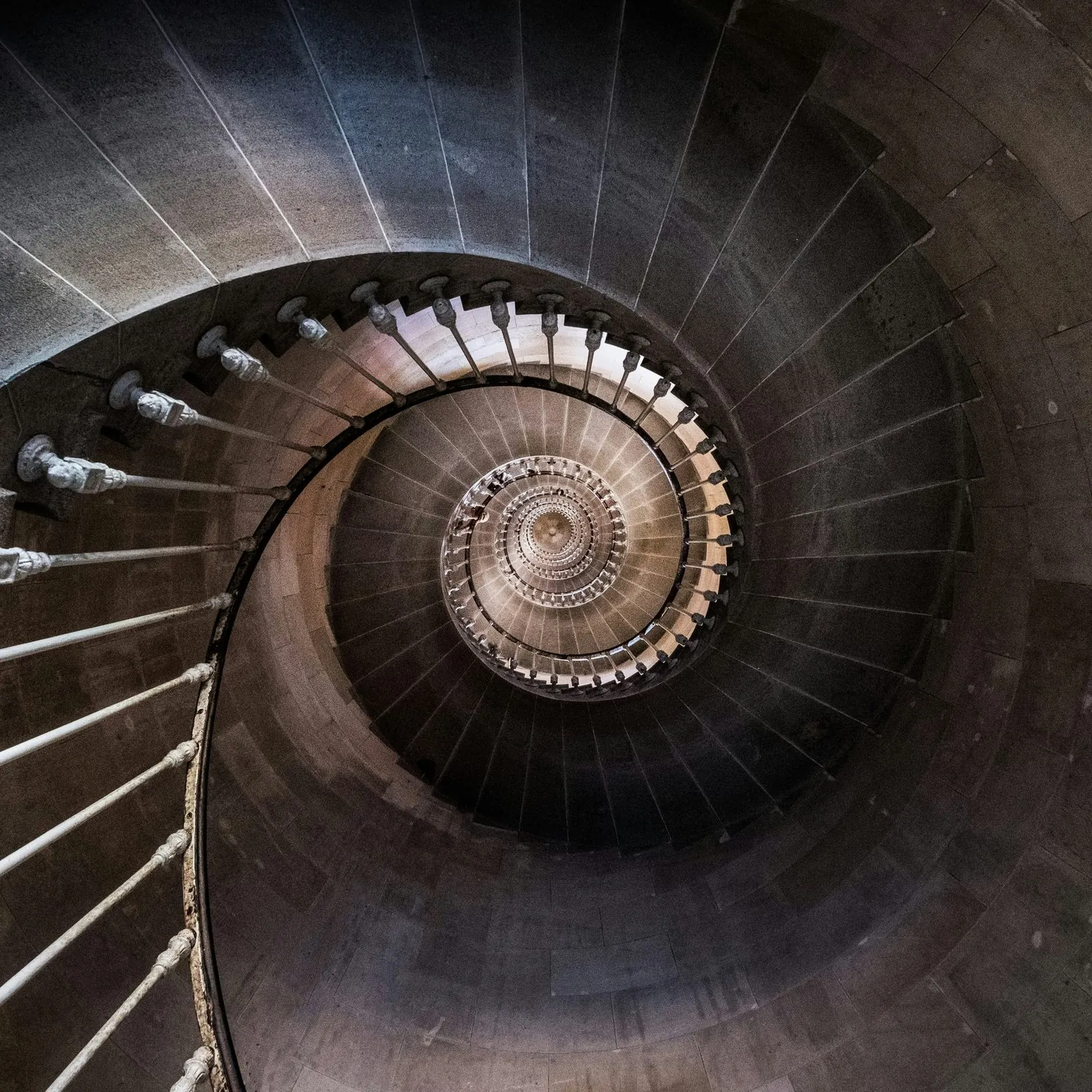
You know the dream. Maybe it has been visiting you for months, maybe for years. The setting might shift slightly, the details may vary, but the core experience is unmistakable: the same theme, the same emotion, the same unresolved feeling upon waking. Recurring dreams are among the most telling experiences in dream life, and they carry a clear message: something in your psyche demands attention and will not stop asking until it receives it.
A recurring dream repeats because an emotional concern behind it is still unresolved; the mind keeps staging the same scene until the feeling is met. Most adults have had one, and they are rarely a warning about the future. They tend to ease once you understand what they are pointing to and act on it.
Why do dreams recur?
From a Jungian perspective, a recurring dream is the unconscious repeating itself because the message has not been received. Think of it as a letter that keeps being returned to sender: the unconscious will keep mailing it until you open it. The dream recurs not to torment you but because the psychic situation it addresses remains unresolved.
Neuroscience offers a complementary explanation. Walker's research suggests that recurring dreams may reflect emotional memories that have not been successfully processed during REM sleep. If the emotional charge of an experience is too intense or too complex to be fully metabolized in one night, the brain returns to it again and again, each time attempting to reduce the emotional voltage a little further.
A third view comes from evolutionary psychology. The threat simulation theory proposes that dreams evolved to rehearse danger in a safe space, and a recurring threat dream can be read as a script the brain keeps running because it once felt important to practice. None of these explanations cancels the others out, and none of them fully settles the question. Why one worry fades after a single dream while another locks into a pattern for years is something dream science still cannot answer with confidence. What the three views share is a practical hint: the repetition is pointing at something, and it tends to ease once that something is met.
Two kinds of recurring dream
Before reading the pattern, it helps to know which kind you are dealing with, because they ask for different responses.
The first is the thematic recurring dream. It circles a life theme, being chased, being unprepared, losing your teeth, and its details drift over time. This is the kind that tends to resolve once the situation underneath it is understood and acted on. The second is the post-traumatic recurring nightmare. It replays a specific frightening event, often with little variation, and it is a recognized feature of post-traumatic stress rather than a symbol to be decoded. If your recurring dream is a near-replay of something that actually happened to you, treat it gently and see the note near the end of this article. It responds to help, and it is not something to work through alone.
What are the most common recurring dreams?
The readings below focus on why each of these keeps coming back and what tends to end it. For the fuller symbol by symbol meaning, the stress dreams guide and the Dream Library go deeper.
Being chased
The most frequently reported recurring dream across all demographics. In Jungian terms the pursuer is almost always the Shadow, the disowned part of yourself that grows more insistent the longer you refuse to face it. What makes the chase recur is the running itself: every night you flee, you confirm to the psyche that the thing is too dangerous to look at, so it comes back. The pattern usually breaks the night you stop, turn, and ask what it wants. Watch for the dream changing, too: a pursuer that shrinks, slows, or grows less frightening over weeks is a sign the work is already underway.
Teeth falling out
Losing teeth tends to recur across periods of transition, a new job, a relationship change, an identity shift, moments when the confidence that carried your old self no longer fits the new one. It returns each time a fresh version of the same insecurity is triggered, which is why people often notice it clustering around big life changes rather than arriving at random. When the new footing feels solid, the dream usually quiets on its own.
Being unprepared for an exam
Strikingly common among high achievers. This one recurs not because you are unprepared but because an inner critic reactivates every time you face evaluation, a review, a launch, a new role. The waking situation changes, the dream does not, because the fear it speaks for ('you are not enough') was never really about any single test. It tends to lose its grip as you learn to separate the critic's voice from your actual competence, which the dream, by returning, is quietly asking you to do.
Flying and falling
When flying and falling recur, they usually track your relationship with control and ambition. A repeating flying dream can point to a pattern of over-reaching or inflation, a repeating falling dream to a chronic fear of losing what you have built. Which one keeps returning, and how the dream ends, tells you more than the flight or the fall itself: whether you steer or drift, whether you brace or let go.
| Recurring dream | What it often points to | What tends to ease it |
|---|---|---|
| Being chased | Something inside you that you are avoiding, rather than an outside threat. | Turning, in the dream or awake, to face what pursues you. |
| Teeth falling out | A fear around confidence, voice, or being seen at a vulnerable moment. | Naming the situation where you feel you cannot speak or hold your ground. |
| Unprepared for an exam | A private fear of being tested and found wanting, common in high achievers. | Separating the old feeling from your real, present competence. |
| Falling | A sense of losing control or support in waking life. | Naming where your footing feels unsteady, then steadying it. |
| Flying | A wish for freedom, or a taste of it, often when something has lifted. | Usually nothing; it tends to fade as the waking situation settles. |
How do you stop a recurring dream?
The first step is recognition: write the dream down each time it occurs and note what is happening in your waking life. Patterns will emerge. The second step is engagement: instead of dreading the dream, approach it with curiosity. What is it trying to tell you? What situation in your life does the dream's emotion mirror?
Jung's technique of Active Imagination can be particularly powerful with recurring dreams: while awake and relaxed, re-enter the dream in your mind and change your behavior within it. If you always run, try turning around. If you always fall, try surrendering to the fall. These imaginative interventions can shift the pattern both in dreams and in waking life.
For a recurring nightmare in particular, sleep clinicians use a close cousin of this called image rehearsal (Imagery Rehearsal Therapy, or IRT): while awake, you decide on a new ending and rehearse that version in your mind for a few minutes a day until it begins to replace the old one. It has good evidence behind it, and it works precisely because a recurring dream is, in a sense, a habit the mind has learned.
Many people report that recurring dreams stop, sometimes permanently, once the underlying issue is consciously acknowledged and addressed. The unconscious, having finally been heard, no longer needs to repeat itself.
When it has followed you for years
A dream that has recurred since childhood is not a sign that something is more deeply wrong. It usually means the theme it carries is a core one, something close to the center of how you see yourself, and those take longer to meet. Childhood recurring dreams are common and often fade in adolescence on their own. When a lifelong dream does finally stop, people frequently describe a change in waking life that came just before it: a relationship healed, a fear outgrown, a truth admitted. The dream had been waiting for that all along.
When should you get help for a recurring dream?
Most recurring dreams are ordinary and ease as their message is heard. A few deserve more care. If your dream replays a real traumatic event, if it disturbs your sleep night after night, or if the dread of it starts shaping your days, that is worth taking to a professional. Recurring trauma nightmares respond well to treatment, and image rehearsal is one of the tools clinicians use. We are a dream companion, not a clinic, and nothing here is a diagnosis, but this is one place where turning toward help is the same move the dream keeps asking for.
When an inner situation is not made conscious, it happens outside, as fate.
Carl Jung, Collected Works, vol. 9ii (Aion)
A dream that returns is not a curse. It is the same part of you knocking again, patient and a little stubborn, waiting for the moment you finally turn and listen.
Common questions
Why do I keep having the same dream?
Because the concern behind it is still open. A recurring dream tends to circle an unresolved emotional situation, and it keeps returning until that situation is acknowledged and acted on. Think of it as a message resent until it is opened.
Do recurring dreams ever stop on their own?
Often, yes. Many fade once the life situation they mirror changes or is understood, sometimes without any deliberate work. Childhood recurring dreams in particular often stop by themselves in adolescence.
Why have I had the same dream since childhood?
A lifelong recurring dream usually points to a core theme, something close to the center of your sense of self, rather than to a bigger problem. Those themes take longer to meet, which is why the dream stays patient.
Are recurring dreams a warning about the future?
There is no evidence that recurring dreams predict events. They reflect an inner situation in the present, not a forecast. The sense of prophecy usually comes from the dream naming a worry you already carry.
What does it mean when a recurring dream changes?
Usually that something is shifting. When the pursuer shrinks, the exit appears, or the ending softens, it often tracks real progress on whatever the dream has been about. A changing recurring dream is frequently a good sign.